Some 3D-printed guns can fire, but they are often unreliable, unsafe, and require metal parts. They break easily, pose serious injury risks, and are illegal in many places. The danger and legal consequences far outweigh the hype.
What Is 3D Printing?
3D printing is a way to make objects by building them layer by layer. Instead of cutting or shaping material, a 3D printer adds thin layers on top of each other. It uses plastic, metal, or other materials to create things.
People use 3D printers to make toys, tools, and even parts for machines. It is a popular method because it can make complex shapes that are hard to create otherwise.
What Are 3D-Printed Guns?
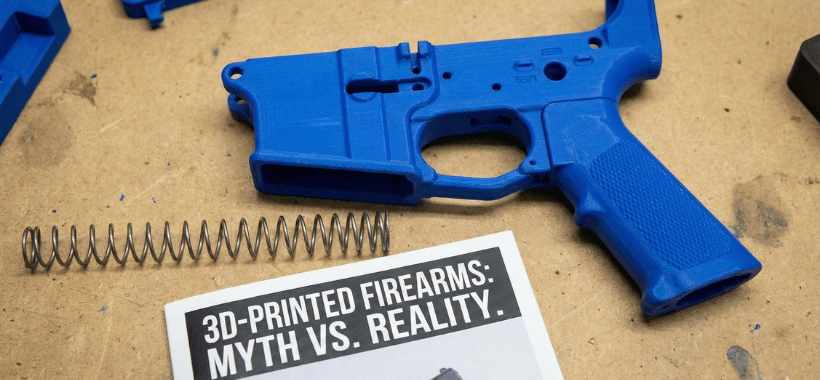
3D-printed guns are guns made with a 3D printer. Instead of using metal parts made in a factory, some parts or all of the gun are printed with plastic or metal.
Usually, these guns are made by printing plastic parts. Sometimes, they include metal parts to make the gun stronger.
Can 3D-Printed Guns Actually Fire?
This is the big question. Can these guns work like normal guns? The short answer: sometimes, yes. But there are many limits.
How Guns Normally Work
A gun works by pushing a bullet out of a barrel using a small explosion. This explosion happens when the trigger is pulled. The gun needs strong parts to handle the pressure.
Plastic Parts And Strength
Most 3D-printed guns are made of plastic. Plastic is usually not strong enough to handle the strong pressure inside a gun.
When the gun fires, the plastic parts can break or melt. This makes the gun unsafe to use.
Metal Parts In 3d-printed Guns
Some 3D-printed guns use metal parts for the barrel and other strong areas. These parts can handle the pressure better.
In these cases, the gun is more likely to fire safely. But printing metal parts is harder and needs special printers.
Examples of 3D-Printed Guns
Some people have made 3D-printed guns that can fire. For example, the “Liberator” is a simple plastic gun made in 2013. It could fire one bullet, but it was not very strong or safe.
Other guns include a mix of 3D-printed parts and metal parts. These guns look and work more like real guns.
Legal and Safety Issues
Making or owning a 3D-printed gun is not legal everywhere. Many countries have strict rules about guns. Printing guns at home can break the law.
Also, 3D-printed guns can be unsafe. If the plastic breaks during firing, it can hurt the person holding it.
Why Do People Make 3D-Printed Guns?
- Some want to test new technology.
- Others want to avoid gun laws.
- Some enjoy building things with 3D printers.
But the risks and legal problems make this a dangerous choice.
How Strong Are 3D-Printed Guns?
The strength depends on many things:
| Factor | Effect on Strength |
|---|---|
| Material Used | Metal is strong; plastic is weak. |
| Printer Quality | Better printers make stronger parts. |
| Design | Good design supports pressure well. |
| Use of Metal Parts | Adding metal parts increases strength. |
Plastic-only guns are usually weak and break easily. Mixed guns with metal parts can work better.
Are 3D-Printed Guns a Threat?
Some people worry that 3D-printed guns are a big threat. They think anyone can make a gun at home without laws.
But making a working gun with a 3D printer is not easy. It needs skill, good equipment, and materials. Also, many printed guns are not reliable.
Still, the technology is improving. This makes it important to watch and understand these guns.
What About Metal 3D Printing?
Metal 3D printing is a newer method. It uses metal powder and lasers to build strong parts.
Metal 3D-printed guns could be stronger and more reliable. But metal printers are expensive and rare.
This means most people cannot print metal guns at home.
Frequently Asked Questions
Can 3d-printed Guns Actually Fire Bullets Safely?
Yes, some 3D-printed guns can fire bullets, but they are often less reliable and less safe than real guns.
What Materials Are Used To Make 3d-printed Guns?
Mostly plastic, but metal parts are sometimes added for strength and functionality.
Are 3d-printed Guns Legal To Own Or Make?
Laws vary by country and state; many places ban making or owning these guns without permits.
Conclusion
So, can 3D-printed guns actually fire? The answer is yes, sometimes. But plastic guns are often weak and unsafe.
Guns with metal parts or metal printed parts can fire better. Still, making these guns is not easy and can be illegal.
3D-printed guns are not yet common or reliable like normal guns. But the idea raises important questions about safety and laws.
It is good to know about this topic. Understanding the facts helps us talk about it clearly.